



3. ระดับความสูงเหนือระดับน้ำทะเลของพื้นที่ : ชั้นบรรยากาศที่ถัดจากผิวโลกขึ้นไปคือ ชั้นโทรโพสเฟียร์(Troposphere) เป็นชั้นที่อุณหภูมิจะลดลงตามระดับความสูงด้วยอัตรา 6.4 องศาเซลเซียส ต่อ 1 กิโลเมตร ซึ่งเป็นอัตราการเปลี่ยนแปลงอุณหภูมิปกติ นั่นคือ อุณหภูมิตามระดับความสูงของพื้นที่เหนือระดับน้ำทะเลจะลดลงไปด้วย
Elevation above sea level in the region: The atmospheric layer immediately above the Earth's surface is the Troposphere. This layer experiences a temperature decrease with altitude at a rate of 6.4 degrees Celsius per 1 kilometer, which is the normal lapse rate. The temperature at higher elevations above sea level decreases.

4. กระแสน้ำในมหาสมุทร เป็นกระแสน้ำที่เรียบชายฝั่งไม่ว่าจะเป็นจากขั้วโลกมาศูนย์สูตร หรือ จากเขตร้อนไปละติจูดสูงก็จะมีผลต่ออุณหภูมิของอากาศบริเวณที่กระแสน้ำไหลผ่านด้วย
Ocean currents are continuous flows of water along the coastlines, whether they originate from the poles towards the equator or from the tropics towards higher latitudes. These currents have an impact on the air temperature in the regions through which they flow.
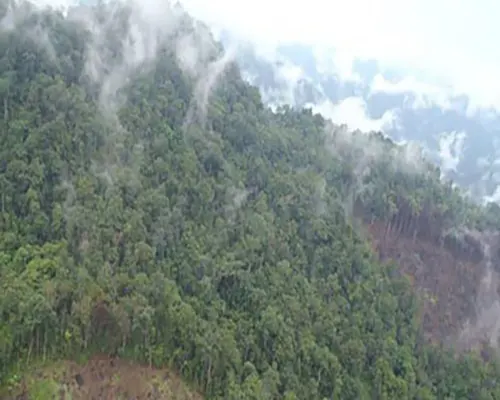
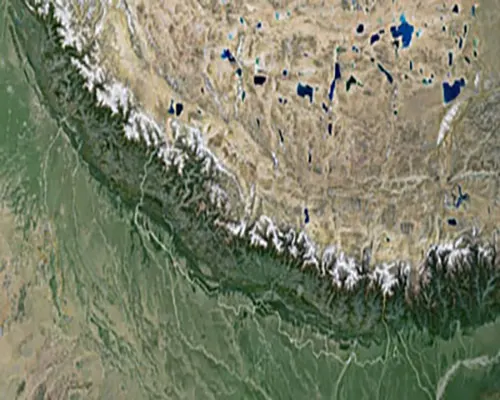
5. ลักษณะภูมิประเทศ มีผลต่ออากาศ เช่น แนวเทือกเขาที่กั่นการเคลื่อนที่ของอากาศจะมีผลต่ออุณหภูมิและความชื้นของอากาศที่อยู่คนละด้านของเทือกเขา
The topographical characteristics affect the climate, such as mountain ranges acting as barriers to the movement of air, influencing the temperature and humidity on either side of the mountains.
6. มนุษย์ เป็นผู้สร้างกิจกรรมต่างๆ ที่มีผลกระทบต่ออากาศ ทั้งการใช้สารเคมีที่ทำลายชั้นบรรยากาศ การสร้างโรงงานอุตสาหกรรม การเผาป่า เป็นต้น
Human activities influence the atmosphere, such as the use of ozone-depleting chemicals, the creation of industrial plants, and deforestation.