





3. ฤดูหนาว ระหว่างกลางเดือนตุลาคมถึงกลางเดือนกุมภาพันธ์
Winter Season, from mid-October to mid-February.
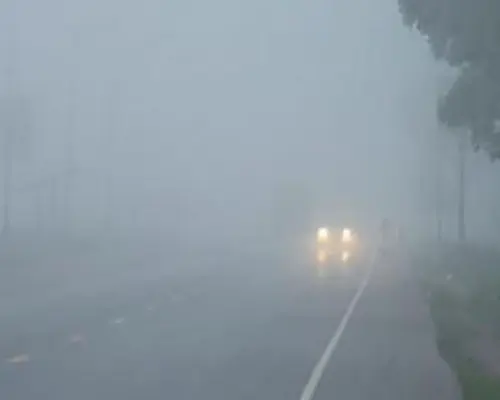
โดยประมาณกลางเดือนตุลาคมลมมรสุมตะวันออกเฉียงเหนือจะพัดปกคลุมประเทศไทยแทนมรสุมตะวันตกเฉียงใต้ ซึ่งลมมรสุมตะวันออกเฉียงเหนือมีแหล่งกำเนิดจากบริเวณซีกโลกเหนือแถบประเทศมองโกเลียและจีนจึงพัดพาเอามวลอากาศเย็นและแห้งมาปกคลุมประเทศไทย
Around mid-October, the northeasterly monsoon, which brings winds from the northeast instead of the southwest, enveloped Thailand. Originating from the northern hemisphere, this northeasterly monsoon gathers cool and dry air masses from the regions near Mongolia and China, sweeping them across Thailand.
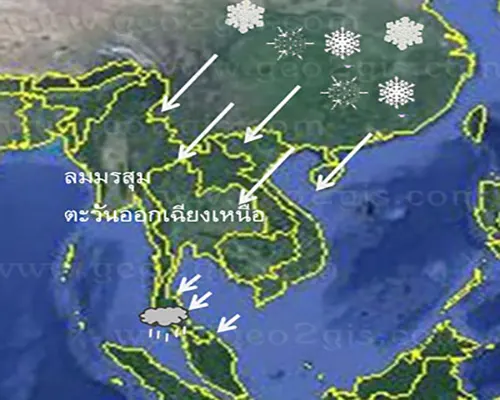
จึงเป็นช่วงเริ่มต้นของฤดูหนาว อากาศจะเริ่มเย็นและแห้งทางภาคเหนือและภาคตะวันออกเฉียงเหนือ สำหรับภาคกลาง ภาคตะวันออกลงมาอาจจะยังคงมีฝนฟ้าคะนองบ้าง แต่ภาคใต้จะมีฝนชุกโดยเฉพาะภาคใต้ฝั่งตะวันออก เนื่องจากลมมรสุมตะวันออกเฉียงเหนือจะพัดนำความชุ่มชื้นจากอ่าวไทยเข้ามาปกคลุม
Therefore, this signifies the beginning of winter. The air in the northern and northeastern regions starts to cool and become dry. The central region might have occasional thunderstorms, whereas heavy rainfall is predominant in the southern part, especially along the eastern coast. The northeasterly monsoon brings the moisture from the Gulf of Thailand, causing this.
การเข้าสู่ฤดูกาลที่ไม่เป็นไปตามช่วงเวลาปกติ
Entering a season that does not meet normal times.
อย่างไรก็ตาม ในแต่ละปี การเข้าสู่ฤดูกาลอาจจะไม่เป็นไปตามช่วงเวลาปกติ ด้วยสภาวะการเปลี่ยนแปลงอุณหภูมิของโลกที่อาจะเกิดขึ้นจากการกระทำของมนุษย์ที่เราเรียกว่า “โลกร้อน” หรือ “โลกเดือด” การเกิดปรากฏการณ์ “เอลนีโญ” “ลานีญา” ซึ่งทั้งหมดส่งผลให้ช่วงเวลาของการเกิดฤดูกาลของประเทศไทยเปลี่ยนแปลงไปอย่างเห็นได้ชัด โดยสังเกตุได้จากการประกาศเข้าสู่ฤดูต่าง ๆ ที่กรมอุตุนิยมวิทยาประกาศในแต่ละปี เช่น ในปี 2566 กรมอุตุนิยมวิทยาประกาศประเทศไทยเข้าสู่ฤดูร้อนตั้งแต่วันที่ 5 มีนาคม 2566 ซึ่งปกติฤดูร้อนจะเริ่มประมาณกลางเดือน กุมภาพันธ์ และกรมอุตุนิยมวิทยาประกาศเข้าสู่ฤดูหนาวตั้งแต่วันที่ 14 พ.ย. 2566”ซึ่งปกติฤดูหนาวจะเริ่มประมาณกลางเดือน ตุลาคม เป็นต้น
Nevertheless, factors like global warming and climate change, as well as phenomena like El Niño and La Niña, can disrupt Thailand's seasonal patterns. The Thai Meteorological Department announces the onset of each season every year. The Meteorological Department declared the beginning of summer in 2003 on March 5, which is later than the usual mid-February onset. Likewise, on November 14, 2003, the department declared the start of winter, which is usually around mid-October.
การเปลี่ยนแปลงอุณหภูมิของโลกที่เราเรียกว่า “โลกร้อน” หรือ “โลกเดือด” การเกิดปรากฏการณ์ “เอลนีโญ” “ลานีญา” ส่งผลให้ฤดูกาลของประเทศไทยเปลี่ยนแปลงไปอย่างเห็นได้ชัด เช่นในปีนี้ กรมอุตุนิยมวิทยาประกาศประเทศไทยเข้าสู่ฤดูหนาวตั้งแต่วันที่ 14 พ.ย. 2566” ในวันที่ 7-8 ธ.ค. 2566 ฝนยังตกที่เชียงใหม่แถมอากาศก็ยังไม่หนาวอย่างที่คิด จะเกิดการเปลี่ยนแปลงอากาศแบบไหนอีกยังไม่รู้ได้
The Earth's temperature change, commonly referred to as 'global warming' or 'climate change,' has led to phenomena such as El Niño and La Niña, visibly affecting the seasons in Thailand. For instance, this year, the Thai Meteorological Department declared the country entering winter on November 14. 2023. However, on December 7-8, 2023, rain continued to fall in Chiang Mai, and the weather remained warmer than expected. The nature of future climate changes remains uncertain.