



แผนที่&GIS

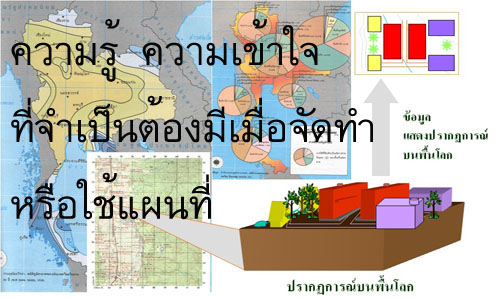
เมื่อพัฒนาระบบสารสนเทศภูมิศาสตร์โดยขาดความรู้พื้นฐานทางด้านพื้นที่แล้ว ข้อมูลพื้นที่ที่ได้จากระบบสารสนเทศจะเชื่อถือได้อย่างไร หากกระจายข้อมูลเหล่านั้นออกไปจะเกิดอะไรขึ้น 

อ่านเพิ่มเติม...

Map-perspective


เรื่องเล่าจากนักภูมิศาสตร์

บทสรุป : ภูมิศาสตร์ศาสตร์ที่ช่วยสนับสนุนภารกิจช่วย 13 ชีวิตติดถ้ำหลวง-ขุนน้ำนางนอน

อ่านเพิ่มเติม...

ข้อคิดเห็น

สาระภูมิศาสตร์-promote-right

ถ้าไม่มีป่า ก็ไม่มีน้ำ ถ้าไม่มีน้ำ ก็ไม่มีอาหาร เพราะป่า เป็นต้นน้ำ ต้นกำเนิดความอุดมสมบูรณ์ของแหล่งอาหารและทรัพยากรอื่นๆ เราควรรู้และเข้าใจป่า 

อ่านเพิ่มเติม...

โลกของแผนที่


อัตราส่วนเปรียบเทียบระหว่างระยะทางในแผนที่กับระยะทางในภูมิประเทศจริงเมื่อกำหนดให้ระยะทางในแผนที่เป็น 1 หน่วย

อ่านเพิ่มเติม...

TechnologyGIS

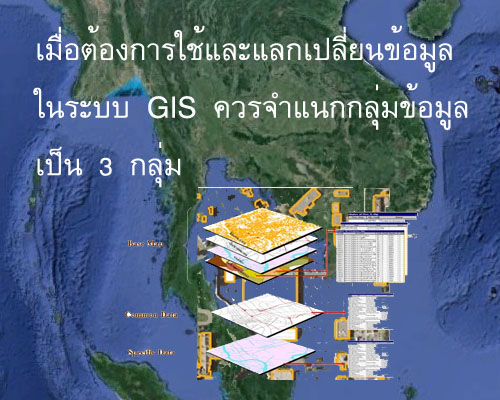
ราชบัณฑิตยสถาน (2549,258) ให้ความหมายของระบบสารสนเทศภูมิศาสตร์ (Geographic Information System) ว่า ระบบข้อมูลข่าวสารที่เชื่อมโยงกับค่าพิกัดภูมิศาสตร์....." แล้วเข้าใจข้อมูลที่เชื่อมโยงกับค่าพิกัดภูมิศาสตร์ว่าอย่างไร

อ่านเพิ่มเติม...

เครื่องมือทางภูมิศาสตร์

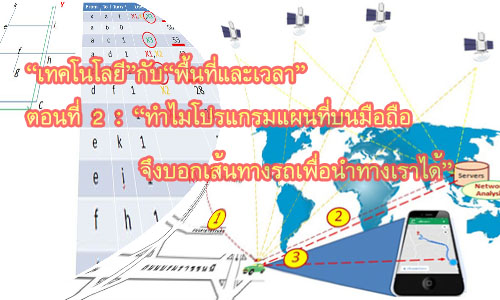
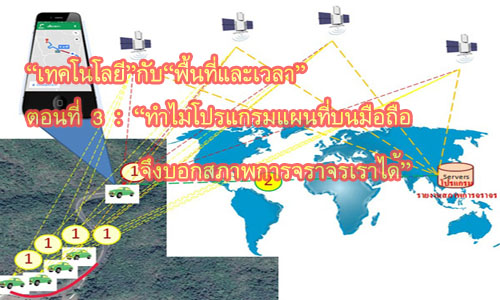
หนึ่งในการประยุกต์ใช้เทคโนโลยีเพื่อความสะดวกของการใช้ชีวิตประจำวัน ซึ่งมี Algorithms เกี่ยวข้องกับพื้นที่และเวลา

อ่านเพิ่มเติม...

สารบัญ

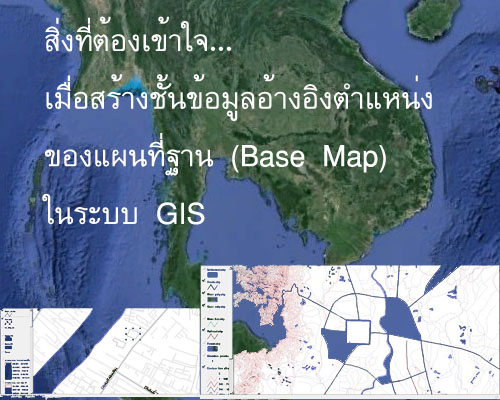
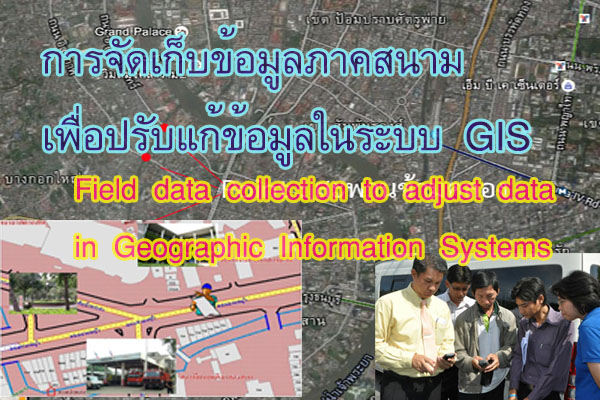
Improving map data in GIS with field data surveys using maps. We need consideration to determine the type of data feature.

Mapping is a representation of the characteristics of the Earth's surface, either globally or in specific regions, achieved through the process of scaling down and using symbols to represent various details present on the terrain. It is crucial to understand the features of a map, which include.

1. Transferring the characteristics of the Earth's surface to a flat plane.
2. Scaling down.
3. Symbols.

Consequently, it is essential to grasp the importance of recording data on the map throughout all three main components. Understanding minimization or scale is essential for accurately mapping the earth's surface onto a flat map using symbols. In this context, scale represents the ratio between map distances and actual distances on the ground, with the map distance set as 1 unit.


The map scale is 1:1,000, meaning that 1 unit on the map is equal to 1,000 units on the ground. For example:


If it measures 1.2 inches on the map, that's equal to 1.2 x 1,000 inches, or 1,200 inches, which is 100 feet.


If it measures 10 centimeters on the map, that's equal to 10 x 1,000 centimeters, or 10,000 centimeters, which is 1 kilometer.


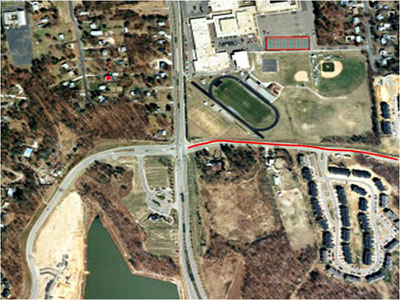
Improving map data in geographic information systems with field data surveys using maps. We need consideration to determine the type of data feature. The feature type in the country that will be imported into the mapping system, whether in hard copy or digital map format, can be categorized into three main types.

1. Positional Data (Point): Data without dimensions of width and length.

2. Route Data (Line): Data with both length and direction.

3. Area Data (Area/Polygon): Data with dimensions of width, length, and area.


สาระภูมิศาสตร์

  • มวลสารที่อัดแน่นอยู่ระเบิดออกอย่างรุนแรง (Big Bang) ทำให้เกิดระบบสุริยจักรวาล

    อ่านเพิ่มเติม...

แผนที่ & GIS

  •  

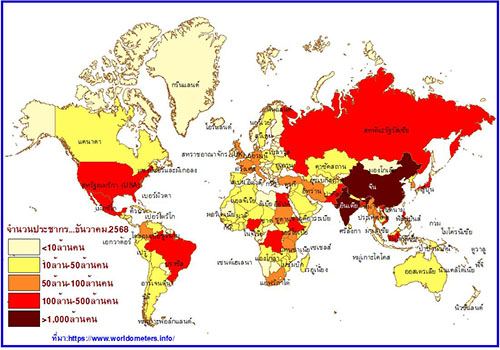
    การนำข้อมูลในระบบ GIS ที่เป็น Attribute data มาแสดงผลให้เห็นเป็นภาพในแผนที่ สามารถแสดงได้ 4 รูปแบบ คือ

    อ่านเพิ่มเติม...

เล่าหลากมุม

  •  

    หลังจากทดลองมาหลายรูปแบบหลายวิธีการเราจึงพบผลิตภัณฑ์ทำความสะอาดที่ปลอดภัยกับครอบครัวซึ่งมีทั้งเด็กและคนชรา มีทั้งแชมพู น้ำยาล้างจาน และน้ำยาซักผ้า

    After experimenting with various formats and methods, we have identified a safe cleaning product suitable for families, catering to both children and older adults. The product range includes shampoo, dishwashing liquid, and laundry detergent.

    อ่านเพิ่มเติม...
JSN Epic is designed by JoomlaShine.com