












สาระภูมิศาสตร์

Thailand season: The factor behind the three seasons of Thailand – summer, rainy and winter seasons

อ่านเพิ่มเติม...

Map-perspective


แผนที่&GIS


เกิดอะไรขึ้นกับข้อมูลที่ได้จากแผนที่กระดาษและแผนที่ดิจิทัลหลากหลายมาตราส่วน เมื่อนำมาใช้วัดตำแหน่ง ทิศทาง ระยะทาง พื้นที่ ความสูง-ต่ำ และความลาดเอียงของพื้นผิวโลก

อ่านเพิ่มเติม...

ข้อคิดเห็น

เรื่องเล่า

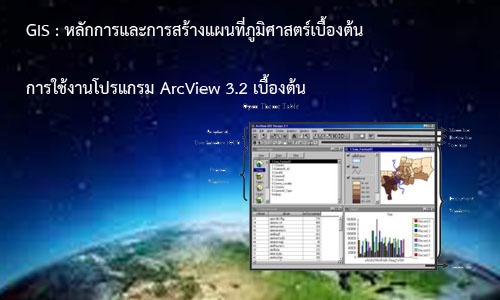
หลักการระบบสารสนเทศภูมิศาสตร์ (Geographic Information System : GIS) เนื้อหาการบรรยายจะเกี่ยวกับหลักการระบบสารสนเทศภูมิศาสตร์ การสร้างและจัดการข้อมูล การวิเคราะห์ข้อมูลตามแนวคิดทางภูมิศาสตร์

อ่านเพิ่มเติม...

ภูมิประเทศ

 ประเทศไทยอยู่ในกลุ่มประเทศในเอเชียตะวันออกเฉียงใต้ ตั้งอยู่ระหว่างละติจูดที่ 5 ถึง 12 องศาเหนือ และลองจิจูด 97 ถึง 106 องศาตะวันออก มีเนื้อที่ประมาณ 513115 ตารางกิโลเมตร

อ่านเพิ่มเติม...

ภูมิอากาศ

การรู้เรื่องลมฟ้าอากาศ เป็นการเรียนรู้สภาพของอากาศในช่วงระยะเวลาหนึ่งซึ่งเปลี่ยนแปลงไปตาม วัน เวลาและสถานที่ ส่วนการรู้เรื่องภูมิอากาศ ก็เป็นการเรียนรู้สภาพอากาศที่เกิดขึ้นเป็นประจำต่อเนื่อง

Meteorology involves studying the ever-changing atmospheric conditions. In contrast, climatology focuses on studying long-term weather patterns.

อ่านเพิ่มเติม...

ภัยพิบัติ

เหตุการณ์ทางธรรมชาติที่แปรผันไปตามสภาพลมฟ้าอากาศ ภัยแล้งส่วนใหญ่เกิดในเวลาฝนทิ้งช่วงเดือนมิถุนายน

อ่านเพิ่มเติม...

แนวคิดทฤษฎี

เดิมนักภูมิศาสตร์มุ่งศึกษาในเชิงคุณภาพ (Qualitative) มากกว่าเชิงปริมาณ (Quantitative) ผลงานของนักภูมิศาสตร์จึงเป็นงานด้านการบรรยายเป็นหลัก ในการยอมรับจึงเป็นไปน้อยเพราะเชื่อกันว่าการศึกษาเชิงคุณภาพขาดความถูกต้องและเที่ยงตรง ในภายหลังนักภูมิศาสตร์จึงสนใจศึกษาเชิงปริมาณมากขึ้น

อ่านเพิ่มเติม...

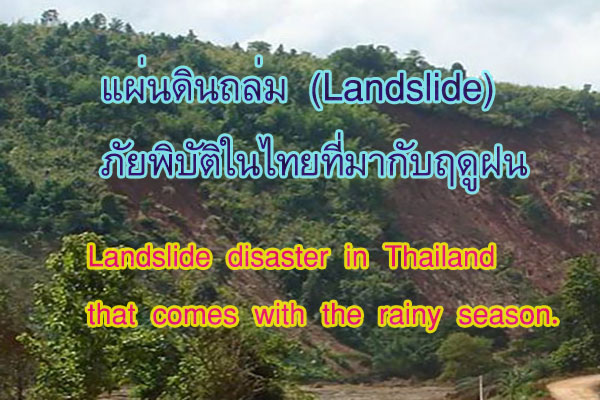
The factors that cause landslide disasters are topographical features, geological and soil characteristics, land use characteristics, and climate characteristics.


Landslides involve the movement of soil and various objects on the ground. The movement may occur on sloping terrain and may be influenced by water or moisture, providing lubrication. Landslides are characterized by the downward movement of soil from higher to lower elevations due to a loss of balance in the stability of the terrain. This results in the soil adjusting and flowing downward under the influence of gravity.


Landslides often occur during heavy rainfall in mountainous regions where the soil on the slopes becomes saturated. The lower layers of soil experience slow water infiltration, while the upper layers, already saturated, lose their cohesion. Combined with a slope in the terrain, this imbalance leads to the collapse or sliding of the soil mass downward.
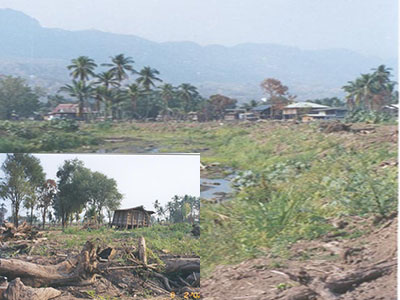
 

The occurrence of landslides comprises four characteristics of movement:

1.       Falls: This involves the detachment of a mass from a steep slope, causing it to fall as a large block or mass.

2.       Topples: This refers to the forward tilting or rotation of a mass, causing it to fall or roll forward as a unit.

3.      Slides: This is the movement of a mass along a surface, such as a curved or flat surface.

4.      Flows: This involves the movement of a mass along an inclined slope, often facilitated by the presence of water.


The factors and components contributing to the occurrence of landslide disasters include:

1.      Topographical Features: such as slope steepness, length of slopes, and the elevation of the area.

2.       Geological and Soil Characteristics: Such as the composition of rocks and soil.

3.      Land Use Characteristics: Including the impact of land use practices on soil cover.

4.       Climatic Conditions: Such as precipitation.
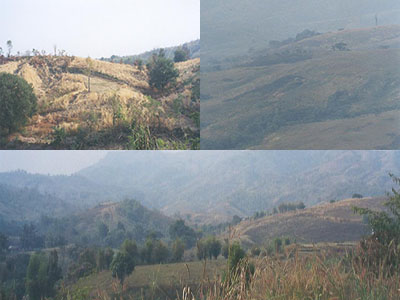


We can classify strategies based on varying risk levels using geographical principles, landslide prevention, and mitigation. Analyzing landslide-prone areas requires consideration of fundamental factors, including the four mentioned factors. We use maps in analytical techniques to show landslide locations along with factors that contribute to landslides. The detailed examination and assessment of each factor's potential impact on landslides is made possible through this comparative analysis. When we identify areas resembling those where landslides have occurred in the past, it becomes clear which areas are at risk. GIS techniques are currently used to improve the analysis of landslide-prone areas. The integration helps identify areas prone to landslides with more clarity.

              Once areas susceptible to landslides are identified at various levels, prevention and mitigation strategies can be tailored accordingly. We categorize these strategies based on different phases as follows.
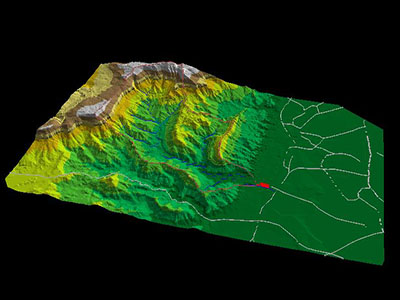



Long-term measures for managing landslide-prone areas include:

1.       Clearly defining land-use boundaries.

2.       Establishing regulations and guidelines for area management.

3.       Allocating budgets for constructing various structures to mitigate landslide intensity.

4.       Planting suitable and fast-growing ground cover vegetation.

5.       Promoting awareness and providing education on landslide prevention and mitigation.

6.      Monitoring weather forecasts.

Short-term or emergency measures for managing landslide-prone areas include:

1.      Identifying areas at risk of landslides.

2.       Implementing measures and defining methods to manage areas prone to landslides.

3.       Urgently undertaking improvements in areas susceptible to landslides.

4.      Establishing training programs and providing knowledge to disaster relief units.

5.      Expedited relocation of communities at high risk of landslides.

6.       Exploring methods or guidelines for developing and installing warning systems. 


Thailand has many mountainous regions that are prone to landslides. Heavy rainfall can cause soil erosion, resulting in the displacement of soil that is carried by water, ultimately causing damage downstream. The southern region of Thailand experiences noticeable and significant effects from landslides.

For example, on January 5-6, 1975, a landslide occurred in Hin Tok Subdistrict, Ron Phibun District, Nakhon Si Thammarat Province. This event resulted in the destruction of 85 houses, with 24 fatalities and 35 missing persons. Another notable incident took place from November 26 to December 4, 2531 (1988) in Krathun Subdistrict, Phipun District, Nakhon Si Thammarat Province. A landslide caused soil and trees to collide with houses, resulting in damage to 2,621 houses, 236 fatalities, and 305 missing persons.


Comments powered by CComment

สาระภูมิศาสตร์

  • ปัจจัยที่ทําให้เกิดภัยพิบัติดินถล่ม ได้แก่ ลักษณะภูมิประเทศ ลักษณะทางธรณีวิทยาและปฐพีวิทยา ลักษณะการใช้ที่ดิน และลักษณะสภาพภูมิอากาศ

    The factors that cause landslide disasters are topographical features, geological and soil characteristics, land use characteristics, and climate characteristics.

    อ่านเพิ่มเติม...

แผนที่ & GIS

  • ากมอง GIS ในฐานะเครื่องมือแล้ว GIS จะประกอบด้วย Hardware Software Data Information Network Application และ Peopleware หากแต่ผลผลิตของ GIS คือสารสนเทศ (Information) ซึ่งลักษณะเด่นคือ สารสนเทศเชิงพื้นที่ (Spatial Information)

    อ่านเพิ่มเติม...

เล่าหลากมุม

  •  

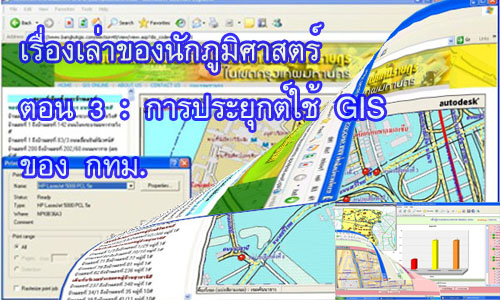
    จากสภาพปัญหาเรื่องการประสานสาธารณูปโภคจึงเกิดโครงการทดลองที่นำเอาระบบ GIS มาเป็นเครื่องมือจัดสร้างฐานข้อมูลร่วมกันเพื่อการทำงานร่วมกัน

    อ่านเพิ่มเติม...
JSN Epic is designed by JoomlaShine.com